
Bamboo that cooks: Nature’s Own Pressure Cooker

Cooking in bamboo is not just a culinary method it’s a story of fire, forest, and flavor. In Northeast India, where the plant grows abundantly for centuries, the tribal communities have transformed this versatile plant into more than a cooking vessel; it becomes a vessel, a plate, and a symbol of life. From roasting sticky rice to slow-cooking pork, this practice ties communities to their roots while filling the air with the aroma of earth and smoke telling a story of tradition, community,and connection.Have you ever wondered how a hollow tube can create so many wonders?.
Bamboo as Nature’s Pressure Cooker
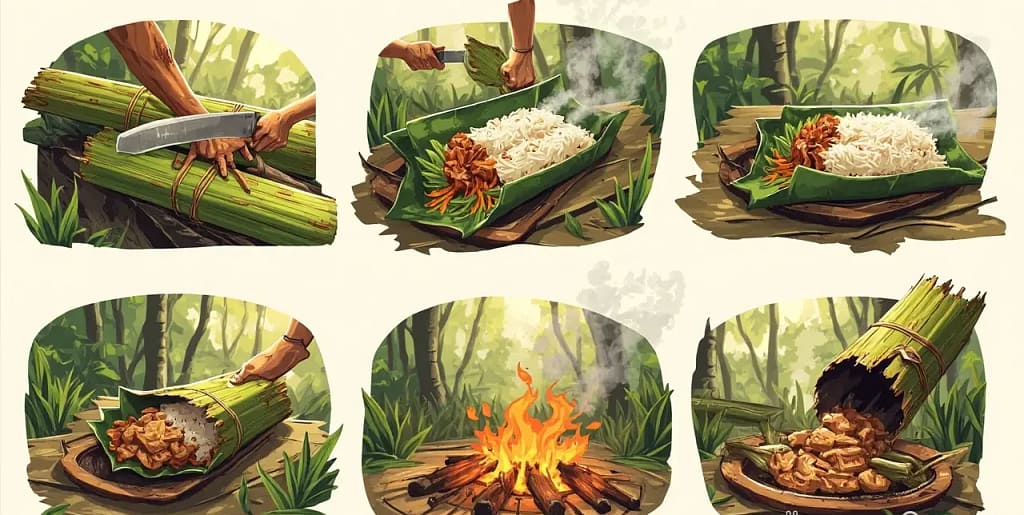
•In Northeast India, bamboo is used as a natural cooking vessel, Sunga cooking technique.•Food like rice, pork, or vegetables is stuffed into a hollow stem.•The open end is sealed with a banana leaf, and the tube is placed over a fire to roast or steam the food inside.•This method imparts a subtle smoky flavor and ensures even cooking due to the heat circulating within the tube.•It is also called the “pressure cooker of the forest” because its natural nodes and sealed tubes trap steam and pressure, cooking food while infusing it with unique aroma. 
The Cooking Process
1.Preparation
•Select a thick, raw, edible variety of bamboo.
•Cut and clean the hollow tube.
2.Stuffing
•Fill with rice, pork, or vegetables.
•Seal with a folded banana leaf.
3.Cooking
•Set up the fire-hay for rice or delicate food, wood/charcoal for meats.
•Place the tube over the fire on a platform, wooden ridge, or wire
•Slowly roast or steam, turning occasionally.
•Steam escaping from the banana leaf signals readiness.
•Flavor – Distinct smoky taste.
•Health – Nutrient-rich, its natural properties enhance benefits.The shoots are rich in fibre, vitamins and are low calorie.
•Convenience – Acts as both cooker and serving dish.•Sustainability – Eco-friendly and resourceful.
Famous Bamboo-Based Dishes
Bamboo shoots are widely used in dishes all over Asia. Northeast being the place with highest consumption.
They are used as vegetables in numerous asian dishes and broths. They are sold in various processed shapes and are available in fresh, dried, and canned versions.
Below are few famous dishes of the seven sisters of our favourite Northeast
Assam
•Haahe Baahe – Duck meat with tender shoots.•Masor Tenga – Sour fish curry, sometimes made with Khorisa (fermented shoot).•Khorisa– Staple fermented shoot used with meat/fish 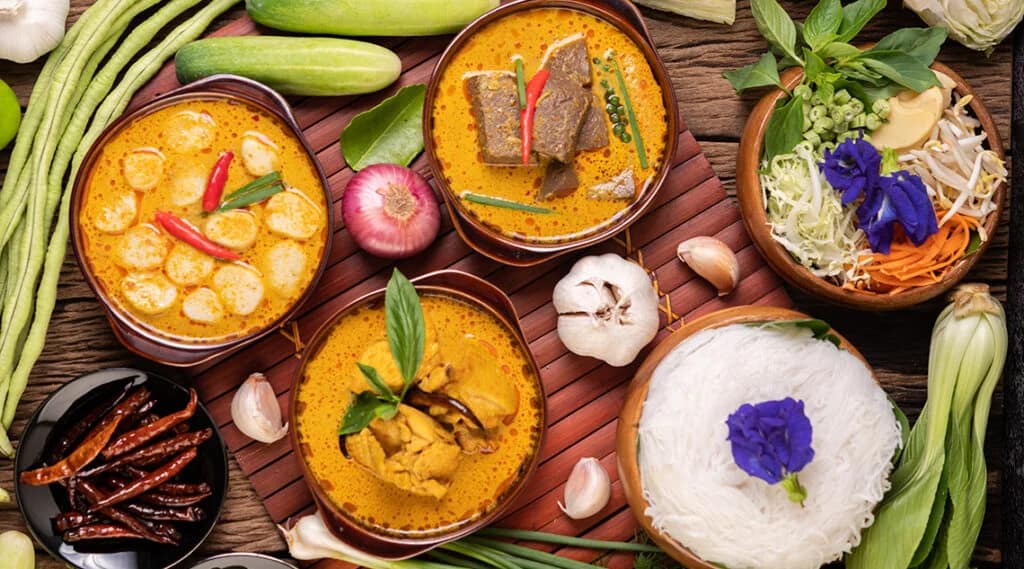
Manipur
•Soi-Bum – Fermented shoot, often pickled.•Soijin Eromba – Bamboo shoot dish with fermented fish, potatoes, and chili.•Ushoi Kangshu – Seasonal dish of shoot, fermented fish, chilies, and peas. 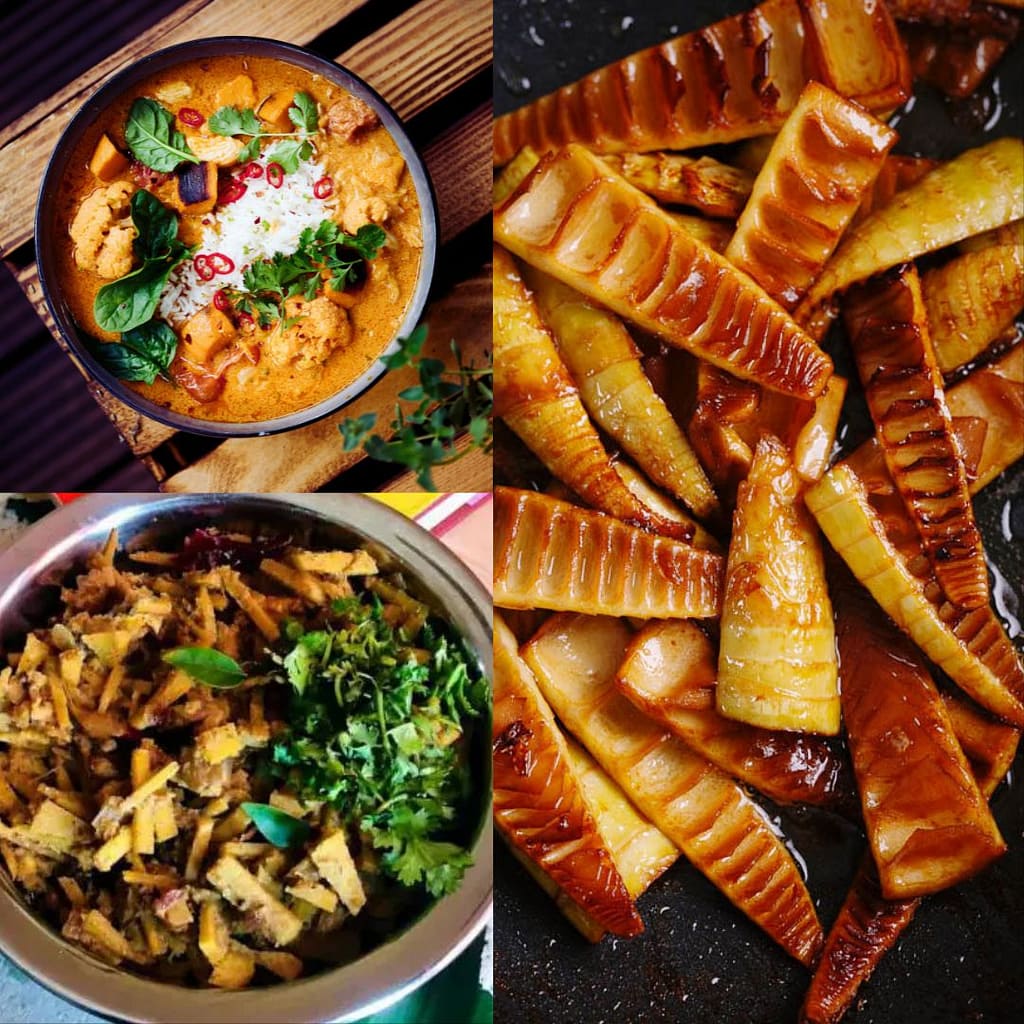
Tripura
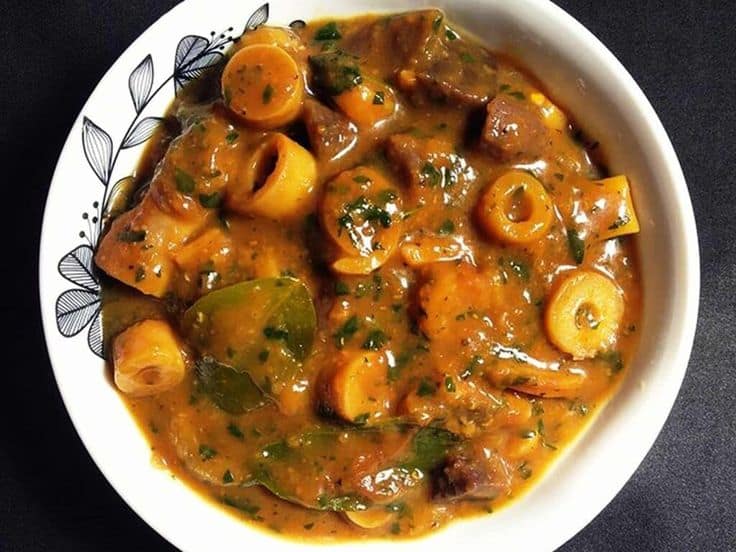
•Chakhwi (Chakhvi) – Pork stir-fried with shoots.
•Mui Borok (Moya) – shoots mixed with rice flour and fermented fish (Berma).
Arunachal Pradesh
•Kuppe – Boiled and chopped young shoots.•Pika Pila – Bamboo shoot pickle with pork fat and spices.•Khao Lam – Sticky rice, made by the Khampti tribe. 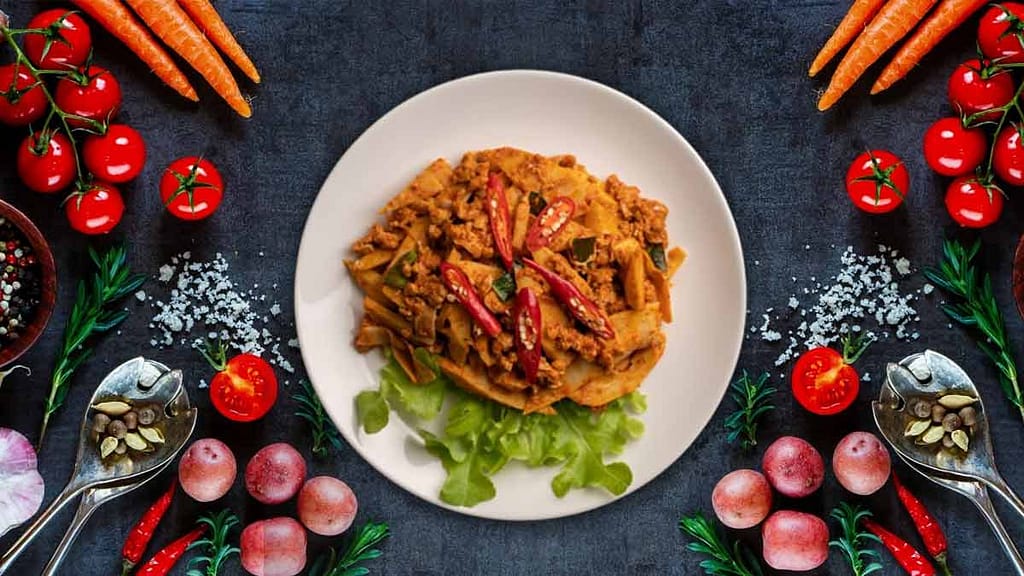
Nagaland
•Bamboo Shoot Fry – Fresh bamboo shoot stir-fry.•Rongmei Bai (Rautui Bai) – Fresh shoots cooked with green chilies, pork or bean leaves. 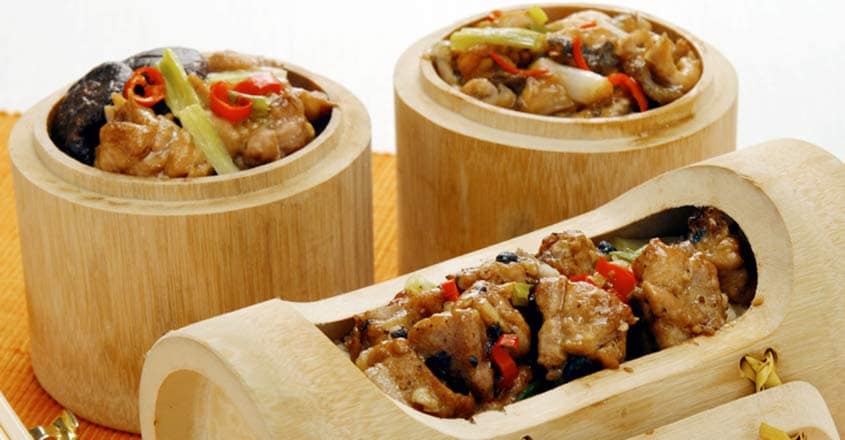
Meghalaya
•Khuria – Fermented bamboo shoot pickle, often paired with pork.•Bamboo Shoot Curry (Plieñg Shyep) – Slightly sour bamboo shoot curry, often with black sesame seeds. 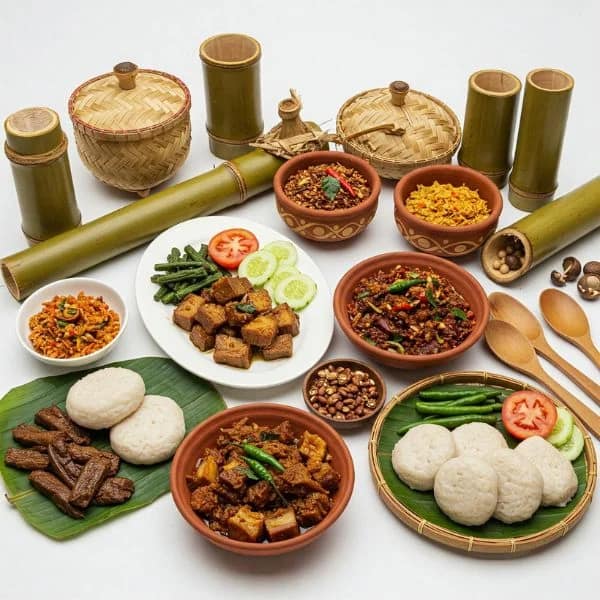
Mizoram
•Mautak Tuai – Tender shoots boiled, fried, or stewed.•Bamboo Shoot Fry – Stir-fried shoots with herbsand vegetables.•Bai – Essential dish of shoots, greens, and meat/fish simmered with fermented soybean paste 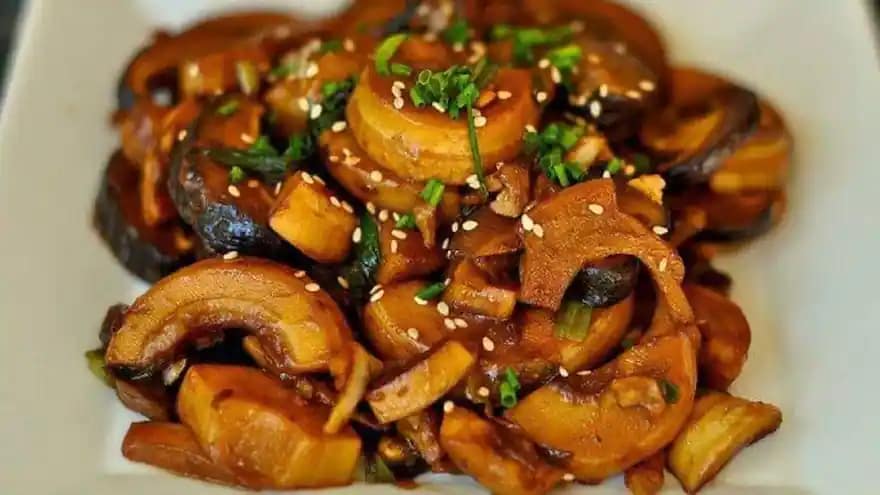
Local Names of Cooking Techniques
•Assam – Sunga Saul (sticky rice), also Banur Sungat Bonua.•Nagaland (Ao Naga) – Pongsen.•Meghalaya (Khasi Hills) – Jadoh Tyndong.•Karbi Anglong (Karbi tribe) – Brenga.•Arunachal Pradesh – Kholam or Gholam 
Beyond Savory:Even Desserts Find a Home In Tubes
•Assam – Payok, rice pudding cooked in tubes.
•Nagaland – Nap Nang, sticky rice with honey (black rice pudding).
•Meghalaya – Putharo, rice cake steamed in tubes.
•Arunachal Pradesh – Khazir (Khazi) Rice, sweet rice with wild berries.
•Manipur – Chak-Hao Kheer, black rice pudding.
•Mizoram – rice pudding with coconut.
•Tripura – Mui Borok Avandhru (Moya Avandhru), jaggery-sweetened rice steamed in tube.

Cultural Significance
Daily Life and Sustenance
Food: Bamboo shoots are a vital and nutritious part of the regional diet, especially for communities like the Garo and Khasi. Construction: Traditional houses in Assam are often built on stilts using bamboo, a design suited to the region’s environment. it is also used for fencing, tools, and other utilitarian items.
Cultural and Spiritual Significance
Lifecycle Rituals: Bamboo marks crucial life milestones; it’s used for cradles at birth and funeral beds for the deceased. Religious Practices: Communities use the plant in various rituals, such as creating altars for festivals like the Tipra community’s Ker and Goria celebrations. In Hinduism, it’s associated with Lord Krishna. Festivals: it is integrated into cultural events, appearing in traditional musical instruments for festivals like Bihu and forming part of structures for religious events like Durga Puja.
Economic Role
Livelihood: Artisans craft numerous products from the plant, including baskets, furniture, and musical instruments, which support local livelihoods and preserve traditional skills.Handicrafts: Tripura is renowned for its handicrafts made from nature, which are a primary source of income for many tribal communities.Symbolism: It is a symbol of resilience, prosperity, and harmony for the communities of Northeast India.It is seen as an “eco-friendly guardian” due to its role in soil erosion control and water conservation. 
Bamboo Diversity in the Northeast
•The region hosts about 90+ species of bamboo, 41 of them endemic.•Known as a bamboo paradise, with deciduous and semi-evergreen forests.•Vital for both ecology and economy.
Common Species Used For Cooking
•Melocanna baccifera – Staple edible bamboo used widelyhttps://en.wikipedia.org/wiki/Melocanna_baccifera•Dendrocalamus Hamiltoni – (D. hamiltonii, D. giganteus, D. strictus) – Common food-use species.https://en.wikipedia.org/wiki/Dendrocalamus_hamiltonii•Bambusa tulda – Shoots with mild bitterness.https://en.wikipedia.org/wiki/Bambusa_tulda
Mizoram known as ‘The Bamboo Queen of India.’

Bamboo is more than food; When the flames die and the plant returns to earth, it leaves behind no waste-only flavour, memory, and a tradition that continues to cook in the heart of Northeast.
Remember!!
the next time you pass through a bamboo tube, a tree, a whole forest, or any local market; imagine the stories and flavours it holds from sweet to savoury, from trees to tradition, from centuries to culture!.